Immediate Steps After A Car Accident
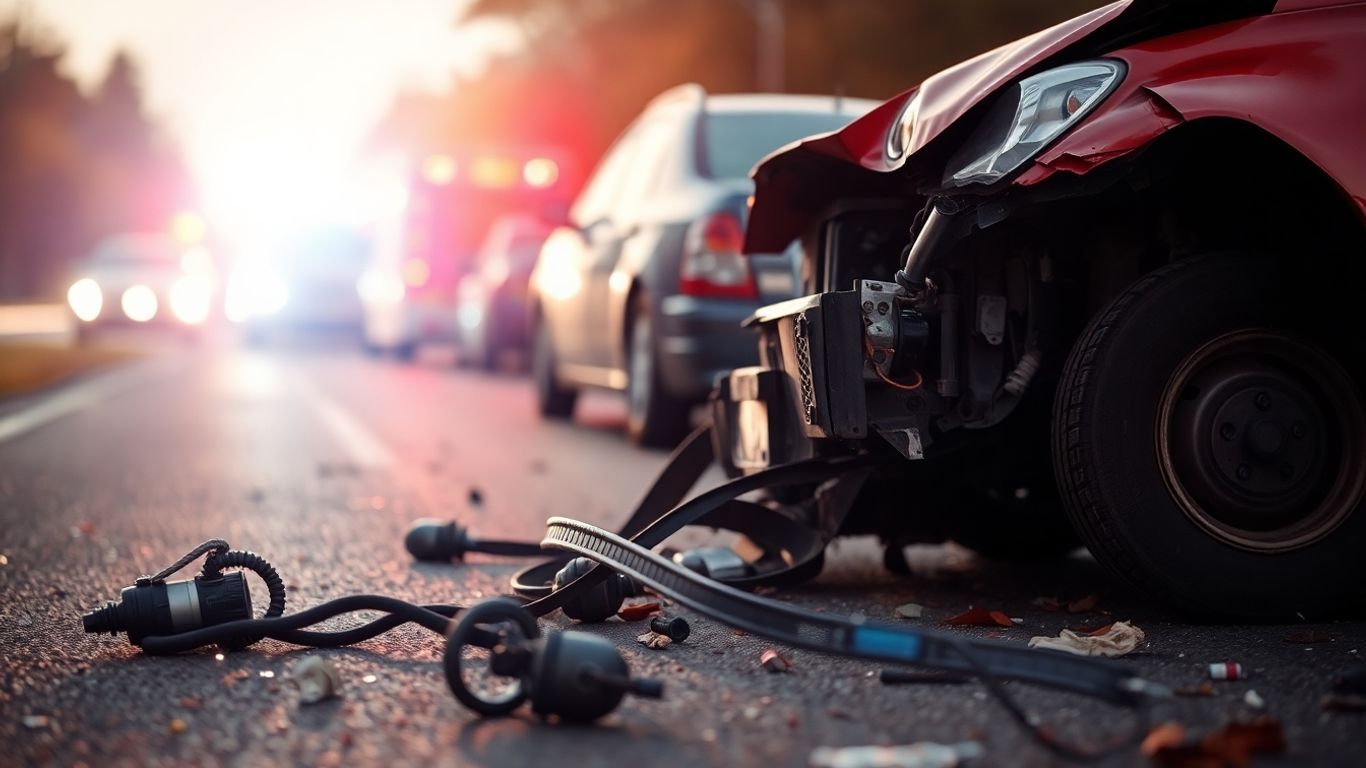
So, you've been in a car accident. It's a jarring experience, and your first instinct might be panic, but taking a few key steps right away can make a big difference. Your safety and the safety of others is the absolute top priority. Don't worry about the car or who's to blame just yet. Focus on getting everyone out of harm's way if possible.
Here's what you should do:
- Check for Injuries and Call for Help: First things first, see if anyone is hurt. If there are any injuries, even minor ones, call 911 immediately. Don't try to move anyone who seems seriously injured unless they are in immediate danger. Even if no one seems hurt, it's often a good idea to call the police, especially if there's significant damage or if the accident is blocking traffic. A police report can be really helpful later on.
- Gather Important Information: Once everyone is safe and help is on the way, start collecting details. You'll need:
- Document Everything: Your phone is your best friend right now. Take pictures and videos of:
Understanding Fault In A Car Accident
Figuring out who's to blame after a car crash can get complicated, and in California, it really matters. The state follows an 'at-fault' system. This basically means the person who caused the accident is the one responsible for paying for the damages. It sounds straightforward, but it often isn't. There can be a lot of back-and-forth, and sometimes, more than one person might share some blame.
California's At-Fault Insurance Laws Explained
So, in California, if you're found to be at fault for an accident, you're on the hook for the other person's losses. This can include things like:
- Medical bills
- Car repairs or replacement
- Lost wages if they couldn't work
- Pain and suffering
Your insurance company is supposed to cover these costs up to your policy limits. But here's the kicker: if the damages are more than what your insurance covers, the other driver could sue you personally. Also, even if your insurance pays, your rates will likely go up. It’s a system designed to make the responsible party pay, but it can get messy.
Comparative Negligence And Your Liability
California doesn't just point a finger at one person if there's any doubt. The state uses something called 'comparative negligence.' This means that if both drivers were a little bit at fault, the blame gets split. For example, if you were found to be 70% responsible for the crash, you'd have to pay 70% of the other person's damages. But if the other driver was 30% at fault, they'd pay 30% of your damages. The key thing to remember is that if you're found to be more than 50% at fault, you can't recover any money from the other driver, even if they were partially to blame. This is why it's so important to get the facts straight right away.
How A Car Accident Attorney Can Help Determine Fault
Trying to sort out fault on your own can be a real headache, especially when insurance companies are involved. They have their own interests, after all. This is where a car accident attorney really shines. They know how to look at all the evidence – police reports, witness statements, photos, and even expert opinions – to build a strong case for what really happened. An attorney can help you:
- Gather and analyze all the accident details.
- Negotiate with insurance adjusters.
- Protect you from saying or doing anything that could hurt your case.
- Make sure you're not unfairly blamed or made to pay more than you owe.
They can be your advocate, fighting to make sure you get a fair outcome, whether that means proving you weren't at fault or minimizing your responsibility if you were partially to blame.
Navigating Insurance Claims After An Accident
Dealing with insurance companies after a car accident can feel like a whole other headache on top of everything else. It's not always straightforward, and knowing what to expect can make a big difference. The sooner you get the ball rolling with your insurance company, the better.
Notifying Your Insurance Company Promptly
As soon as you can after the accident, you need to let your insurance company know what happened. Don't wait around too long. They'll need to start their own investigation.
Here's what you should do:
- Call them directly: Reach out to your insurance agent or the claims department. Most companies have a specific number for reporting accidents.
- Be ready with details: Have the date, time, and location of the accident handy. Also, any information you gathered about the other driver(s) and the police report number, if applicable.
- Keep records: Note down who you spoke with at the insurance company, when you spoke, and what was discussed.
What To Expect During The Claims Process
Once you've reported the accident, the claims process kicks off. It can take a little time, so patience is key.
- Initial Contact: An adjuster will likely contact you to get more details about the accident. They might ask for a statement, either written or recorded. Be honest and stick to the facts.
- Investigation: The insurance company will investigate the accident. This might involve talking to other drivers, witnesses, and reviewing the police report.
- Damage Assessment: For vehicle damage, an adjuster will probably inspect your car. They'll create an estimate for repairs. If more damage is found during repairs, the shop will need to get approval for the extra costs.
- Settlement: Based on their investigation and the damage assessment, the insurance company will decide on a settlement. This could be the cost of repairs or the actual cash value of your vehicle if it's a total loss.
Understanding Your Insurance Policy Coverage
Your insurance policy is a contract, and it's important to know what it actually covers. Don't wait until after an accident to figure this out.
- Read your policy: Take the time to go through your policy documents. Pay attention to your coverage limits, deductibles, and any exclusions.
- Know your coverages: Understand what types of coverage you have, like collision, comprehensive, liability, and uninsured/underinsured motorist. This will help you know what to expect when you file a claim.
- Ask questions: If anything in your policy is unclear, don't hesitate to ask your insurance agent or company for an explanation. It's better to be clear upfront. If you're dealing with significant injuries or damages and the insurance company isn't being fair, talking to a personal injury lawyer auto specialist can help you understand your options for seeking compensation accident victims are entitled to.
Protecting Your Rights After A Collision
So, you've been in a car accident. It's a stressful situation, no doubt about it. But before you do anything else, remember that protecting yourself legally is just as important as checking for injuries. There are a few key things you absolutely need to avoid doing right after a crash to make sure you don't accidentally make things worse for yourself down the line.
What Not To Do At The Accident Scene
This is where people often make mistakes. It's easy to get flustered, but try to stay calm.
- Don't get into arguments. Seriously, no matter how angry you are or how much you think the other person is in the wrong, keep your cool. Save your side of the story for the police and your insurance company. Arguing at the scene rarely helps and can sometimes be used against you.
- Don't admit fault. Even if you think you might have been partially responsible, avoid saying things like "I'm sorry" or "It was my fault." This can be interpreted as a legal admission. Let the insurance companies and, if necessary, the courts figure out who is responsible.
- Don't sign anything you don't understand. This includes any statements offered by the other party or their insurance company. If someone offers to pay your deductible on the spot, be wary. It's best to review everything carefully, and ideally, have a legal professional look it over.
Avoiding Admissions Of Fault
This ties directly into the last point, but it's worth repeating. Your words at the scene can have a big impact. Think about it: if you say something that sounds like you're taking the blame, even if you didn't mean it that way, it can be used to argue that you were at fault. This is especially true if the other driver's insurance company gets wind of it. They'll jump on any admission to try and reduce their payout or avoid it altogether. It's always better to stick to the facts when talking to the other driver and any witnesses. Details about who was driving, insurance info, and vehicle registration are fine, but anything that sounds like you're accepting blame? Just don't go there.
Seeking Legal Counsel From A Car Accident Attorney
Sometimes, even when you do everything right, the situation can get complicated. Insurance companies might try to offer a settlement that's way too low, or they might try to pin more blame on you than is fair. This is where getting some legal help after a crash becomes really important. If you're dealing with a serious accident, injuries, or disagreements about fault, you might want to consider talking to the best lawyer for car crashes you can find. They know the ins and outs of these cases and can help make sure your rights are protected. Deciding to hire an attorney collision case early on can make a huge difference in the outcome. They can handle the communication with the insurance companies, gather evidence, and fight for the compensation you deserve.
When To Seek Professional Legal Assistance
Look, car accidents are messy. Even if you think it was a simple fender bender, things can get complicated fast. You might be wondering if you really need a lawyer. Honestly, if there's any doubt about who's at fault, or if injuries are involved, it's probably a good idea to at least talk to one.
Here's when you should seriously consider getting some legal help:
- Injuries are involved: Even if they seem minor at first, injuries can get worse. Medical bills can pile up, and figuring out who pays for what can be a headache. A lawyer can help make sure you're covered.
- There's a dispute about fault: If the other driver is blaming you, or if you think they're partly to blame but they're not admitting it, a lawyer can step in. They know how to look at the evidence and figure out what really happened.
- The insurance company is giving you the runaround: Sometimes, insurance adjusters can be tough. They might try to offer you a quick settlement that's way less than what your car or injuries are worth. A lawyer can deal with them for you and fight for a fair amount.
- You're facing serious property damage: If your car is totaled or needs extensive repairs, and the other party's insurance isn't cooperating, legal help might be necessary.
Don't just assume you have to deal with everything on your own. Getting a lawyer involved early can save you a lot of stress and potentially a lot of money down the road. They're there to protect your rights and make sure you get treated fairly.
Dealing With Vehicle Repairs And Damages
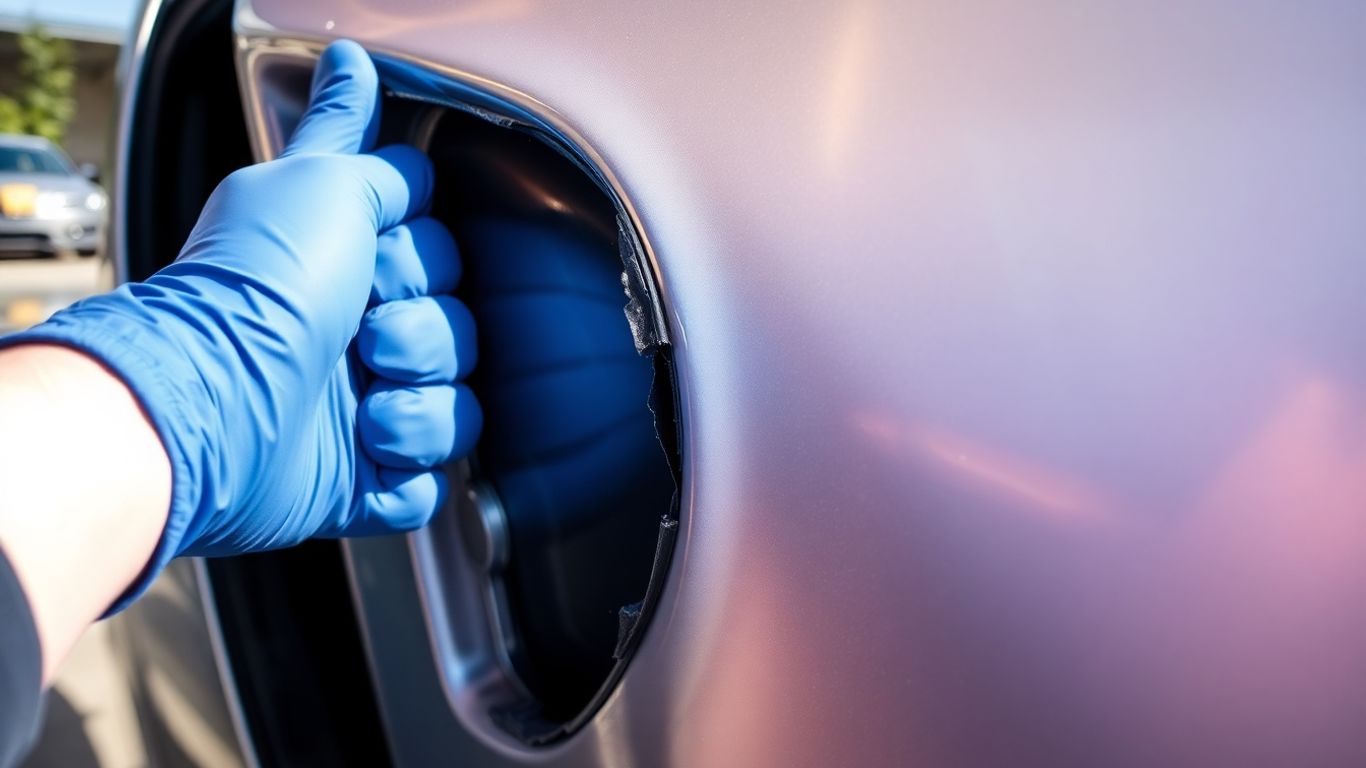
So, you've been in an accident, and now your car looks like it went through a blender. It’s a real pain, right? Dealing with the aftermath, especially getting your car fixed, can feel like another accident waiting to happen. But don't sweat it too much; we'll break down what you need to know.
Understanding Repair Estimates And Costs
First things first, you'll need an estimate for the repairs. An insurance adjuster will likely come out to look at your car. They'll write up a report detailing what needs fixing and how much they think it'll cost. Sometimes, if the damage is minor, they might just ask you to get a couple of estimates from different shops yourself. It's important to get a written estimate before any work begins. This way, you know exactly what you're agreeing to. If the repair shop finds more damage once they start working, they need to contact the insurance company again for approval on the extra costs. Keep an eye on this whole process; you don't want any surprises later on.
Choosing Your Auto Body Repair Shop
Your insurance company might suggest a shop they work with, and that's fine. But you're not obligated to use their recommendation. You have the right to choose where your car gets repaired. Make sure the shop you pick is reputable and that you feel comfortable with them. It's a good idea to check reviews or ask friends for recommendations. Remember, the insurance company can't force you to go to a specific place, and they have to cover reasonable repair costs regardless of where you choose to get the work done. You can start looking into repair options right after you file your claim by reporting the incident.
Aftermarket Parts vs. OEM Parts
When your car is being fixed, they might need to replace some parts. You'll likely hear about two types: OEM (Original Equipment Manufacturer) parts and aftermarket parts. OEM parts are made by your car's manufacturer. Aftermarket parts are made by other companies. Both can be perfectly fine, but they need to be comparable in quality, safety, and fit. The repair shop has to tell you on the invoice what kind of parts they used. So, double-check that invoice to see if it says 'used,' 'reconditioned,' 'rebuilt,' 'aftermarket,' or 'OEM.' It's your car, and you should know what's going into it.
What to Do Next
So, you've been in a car accident. It's a stressful situation, no doubt about it. Remember to stay calm and take things one step at a time. Gather all the necessary information at the scene, and most importantly, let your insurance company know what happened as soon as you can. Don't admit fault or sign anything without understanding it fully. Dealing with insurance claims and repairs can be a hassle, but knowing these steps can make a big difference. If things get complicated, don't hesitate to reach out for help. You've got this.
Frequently Asked Questions
What are the first things I should do right after a car crash?
First, make sure everyone is safe. If anyone is hurt, call 911 immediately. Then, call the police, even if it seems like a minor accident. After that, safely gather important information like names, addresses, phone numbers, and insurance details from everyone involved. It's also smart to take pictures of the accident scene and any damage.
What does 'at-fault' mean in a car accident?
In California, the person who caused the accident is considered 'at-fault.' This means they are usually responsible for paying for the other person's damages, like car repairs and medical bills. It's based on who was driving carelessly or broke a traffic rule.
What is 'comparative negligence' and how does it affect me?
Comparative negligence means that if both drivers did something to cause the accident, fault can be shared. For example, if you were 80% at fault and the other driver was 20% at fault, you'd be responsible for 80% of their damages. This rule helps make sure fault is assigned fairly, even if both people played a part.
Should I talk to my insurance company right away?
Yes, it's really important to tell your insurance company about the accident as soon as possible. They need to know what happened so they can start the claims process. Don't give detailed statements to anyone else, just stick to the facts with your insurance company or the police.
What shouldn't I do after an accident?
Never admit fault at the scene, even if you think you might be to blame. Don't argue with the other driver or passengers. Also, avoid signing any documents or making promises to pay for damages before talking to your insurance company. Stick to gathering facts and staying calm.
When should I think about hiring a car accident lawyer?
You should consider getting a lawyer if the accident caused serious injuries, if fault isn't clear, or if the insurance company isn't being fair. A lawyer can help protect your rights, figure out who was at fault, and make sure you get the compensation you deserve, especially if the other driver is trying to blame you.